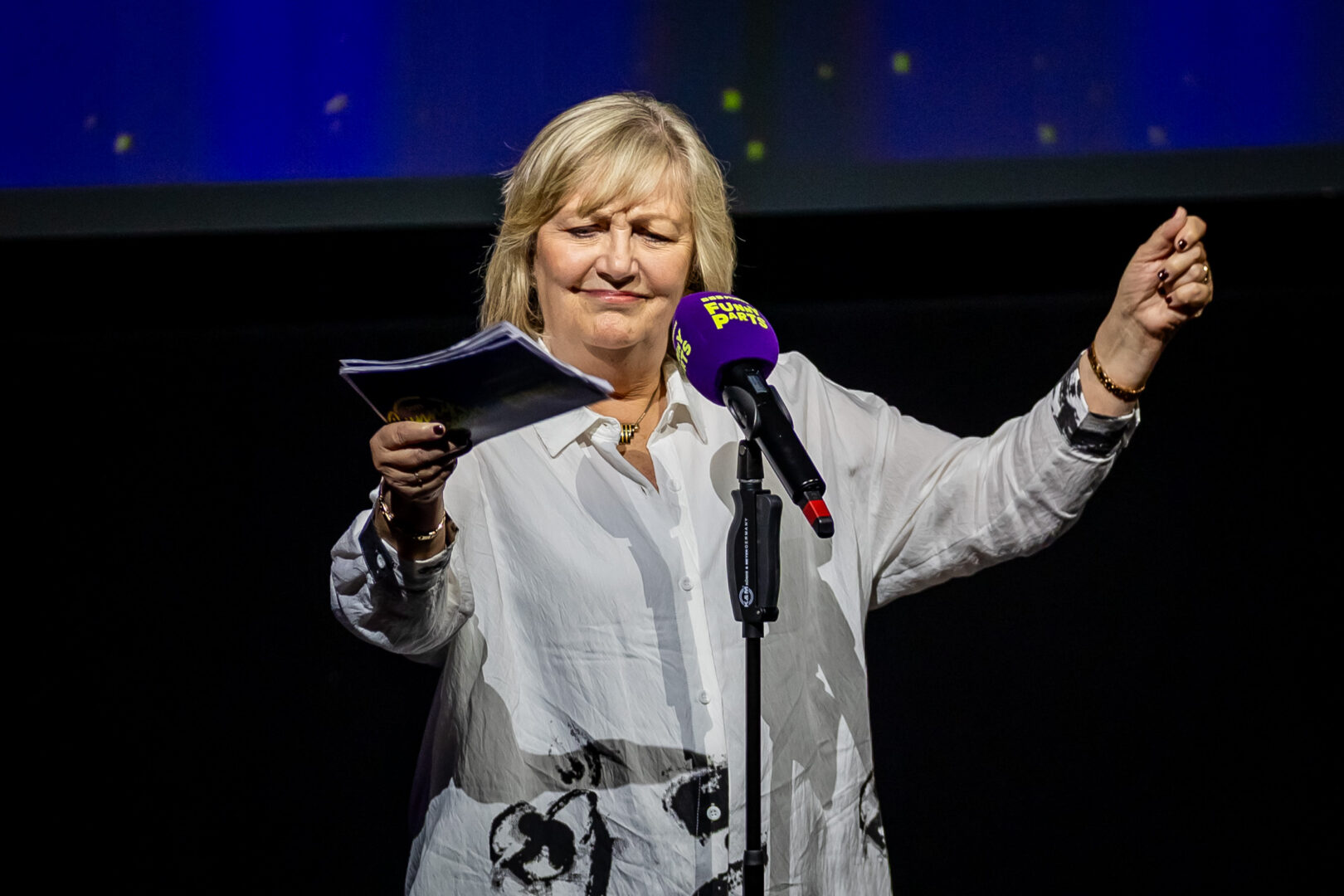
Last month saw the founder of Funny Women, Lynne Parker, appear alongside comedians, agents and other live comedy industry experts in front of Dame Caroline Dinenage MP and the Department of Culture, Media and Sport Select Committee to shed light on the comedy industry and why it often fails to secure the regard, respect and access to public funding that other art forms receive.
The UK comedy circuit is as lively as ever, but panellists highlighted the challenges faced by those trying to build and sustain a comedy career; from the perils of freelance working, to the economic and social barriers, with grassroots comedy performers and venues often working without financial support – relying on passion over profit. These challenges can often be made worse by the perception that comedy is a less valuable art form than theatre, music or other creative fields and is often passed over for grants and funding.
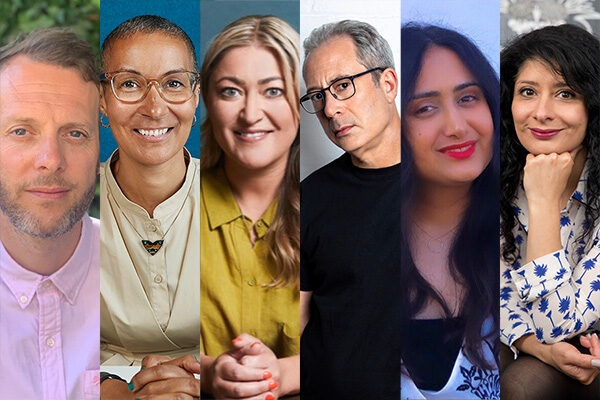
The two panels included, pcitured above left to right, comedians Matt Forde and Kate Cheka, Jessica Toomey MD of the Frog & Bucket Comedy Club and board member of the Live Comedy Association (LCA,) Dr Sharon Lockyer of Brunel University and Geoff Rowe, chair of the LCA who pushed for the Select Committee.
It was clear from all the panellists that a thriving comedy scene brings so many benefits – socially and economically, as well as keeping Britain a player on the international stage. Jessica Toomey illustrated that comedy venues provided the greatest return on investment for Arts Council funding during Covid.
Now those same venues face new challenges with the Cost of Living Crisis, rising electricity bills, and National Insurance and wages set to increase, taking a large cut of profits that smaller venues aren’t always able to absorb. This means that big acts who can secure big venues often monopolise the audience’s disposable income and attention, despite research showing that audiences prefer smaller, intimate gigs in lively local venues.
Lynne Parker, who set up Funny Women to provide a platform for women to build their comedy careers, highlighted the need for the big hitters – particularly management companies and agents – to do more to support grassroots development and highlighted how vital funding is to give the next generation a foot in the door. As well as providing space for acts to polish their craft and keep the industry alive and accessible.

Funny Women Stage Award winner, Kate Cheka, also on the panel with Lynne, explained that other European countries provide artists with a living wage to keep the arts funded. She sees this as vital because “it’s one of our biggest exports…British sitcoms are famous around the world, and to be able to write for British sitcoms you need a good live comedy scene. The same people writing the sitcoms, are also doing live comedy.”
The panel also discussed the legacy of British Comedy, the physical and mental health benefits of live comedy, the threat of AI on the industry and the rise in misogyny and sexual harassment that is still present within the industry.
Lynne stated she was incredibly proud to provide evidence to the committee and to highlight the work of Funny Women “in respect of diversity and inclusion, health and wellbeing, comedy on prescription, community and more…” She continues to push for more support from local government and gave examples of her work with Medway Council on Comedy in the Community.
You can watch both panels on Parliamentlive.tv here.