It’s only Tuesday and we already have a fresh set of issues regarding women, awards, comedy, disability and politics. Notoriously overrated Meryl Streep used her acceptance speech for the Cecil B. Demille to air her concerns over the future of the arts and the safety of vulnerable people in what appears to be a new era of uncertainty and division.
Whatever, Kate, the Golden Globes news is old now, I hear you… think. But this isn’t really about Meryl, or an awards ceremony – rather I am using the incident as a jumping off point. So I’m not being slow off the mark regarding the Golden Globes, I’m being bally fast at analysing a series of events, okay? Okay, so let’s begin and don’t let me hear that tone from you again.
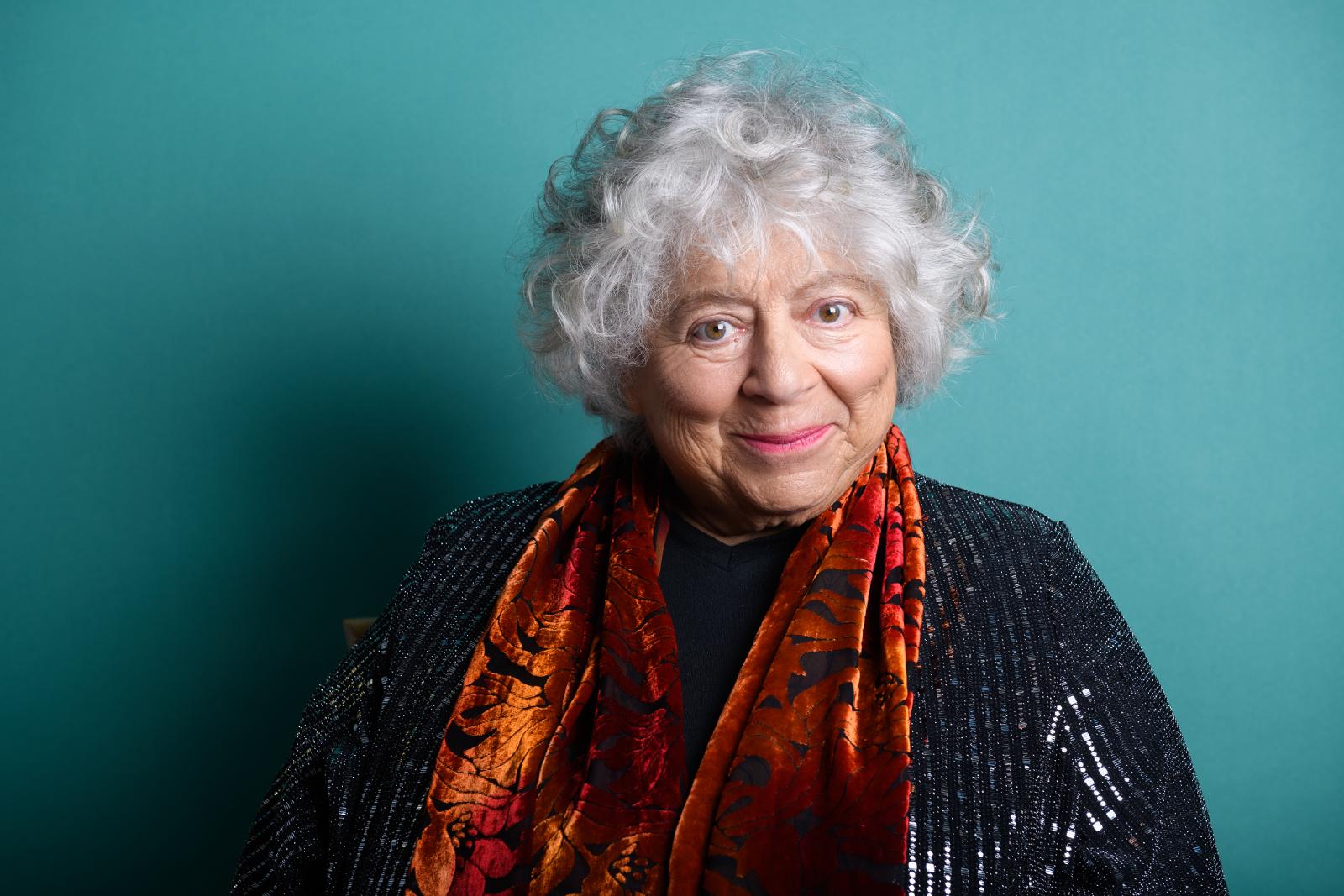
Now I’m starting with Meryl Streep because she has a platform and she chose to use it. The reactions have been mixed, some people have praised her and some people believe an awards ceremony celebrating film and creativity (give or take) is no place to whine about the precarious future of the arts. I want to be clear, I’m not saying it is wrong, or unsisterly to disagree with the speech, Emily Ladau has written in The Establishment about why she, as a disabled woman, finds Meryl’s words ill chosen regarding Trump’s bullying of Kovaleski: “People are praising Streep for her activism and her allyship in bringing up disability during her speech, and yet all she did was exactly the same thing the media has been doing for months: touching on disability at a surface level without ever moving beyond discussion of mocking Kovaleski to discussions of major disability rights issues.” But what I really want to touch on is the idea that it was inappropriate of Meryl Streep to make these remarks.
Why wouldn’t an actor be concerned about ever shrivelling funding for the arts? Would her remarks been deemed more polite had Meryl sent someone to accept the award in her place? I don’t know, but I do know Hugh Laurie has not received quite the same ire for implying Donald Trump is a psychopathic billionaire. A point on which I couldn’t possibly comment.
When and where are you allowed to speak out? I tend to have faith that the majority of us know what’s appropriate, at a wedding the best man knows not to slip in his opinions on late term abortion, just as I know in a meeting not to suddenly flip a table or spit. But sometimes you are provided with a platform and – particularly if you are a member of a minority group – you may feel obliged to honour it with some G.D home truths and grab the opportunity.
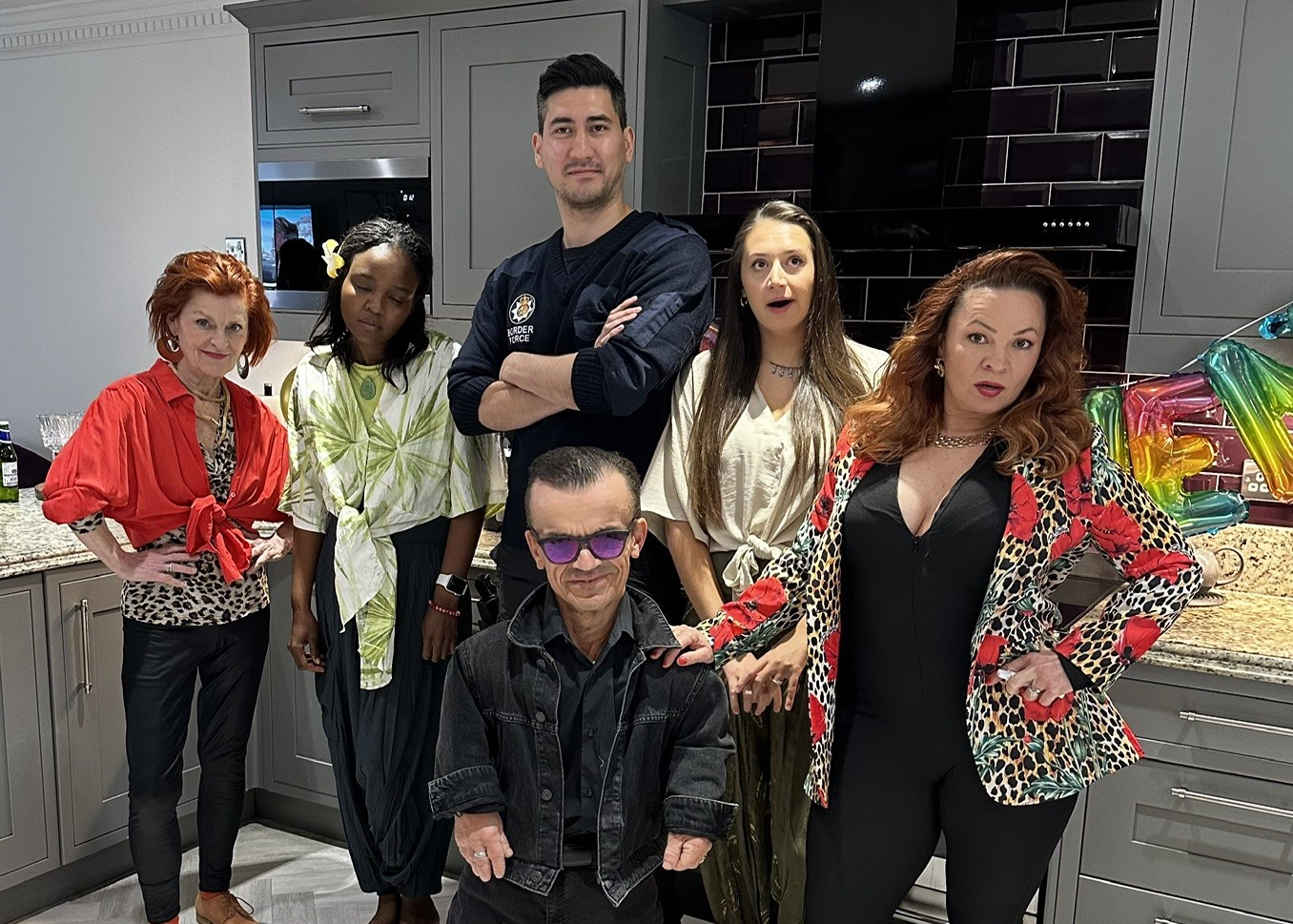
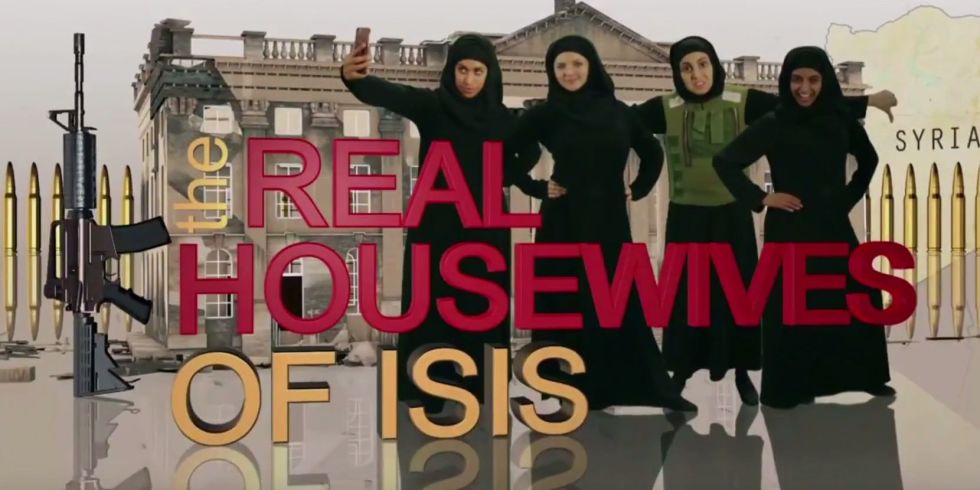
Perhaps it was because Hugh Laurie’s speech had that lightness of touch you get with comedy. But this brings me to my next ‘recent incident’, a sketch from BBC 2 show Revolting called The Real Housewives of Isis, which was aired last week. If you haven’t watched it, do.
http://www.youtube.com/watch?v=4m9ab54sf2E
In the sketch a group of women (including 2011 Funny Women Awards finalist Emily Lloyd-Saini) send up the TV show Real Housewives of [insert place here], ISIS and perhaps some ill-informed Western ideas of Islam. The BBC received complaints calling the sketch “morally bankrupt” and saying it could make: “Hijabis feel more isolated [and] targeted by Islamophobes.”
Shazia Mirza commented on the reaction: “Some people say that they are offended, some people are offended on others’ behalf, others are offended and they don’t even know why. Being offended is very popular these days,
“The rightwing press might be offended, and maybe the leftwing liberals, but Muslims aren’t offended – it’s like they want us to be offended but we aren’t. We’re OK, thanks,
“There’s a long history of people from different religions mocking themselves – Christians, Jews, Catholics – why can’t Muslims make jokes about themselves? If we are going to continue that proud tradition of satire that has to be allowed.”
Now, correct me if I am wrong but I don’t recall the film Four Lions raising the same concerns. Is this because we live in more incendiary times that 2010? I don’t know.
Why can’t a group of women star in a sketch about a real issue that is happening, that is not receiving much attention or understanding and laugh about it? Frankly the complaints imply they think the women in the sketch don’t know what they are doing, that the joke’s on them. That this isn’t the correct way to comment on young women risking their lives and leaving their families for a new life in a war torn environment.
I don’t know if we have time to wait to be asked, now is the time to speak out, and comedy is a great way to get your message heard.